Blog: Event design
Neuro-inclusive networking: making business events better for everyone
6 July 2026 minute read
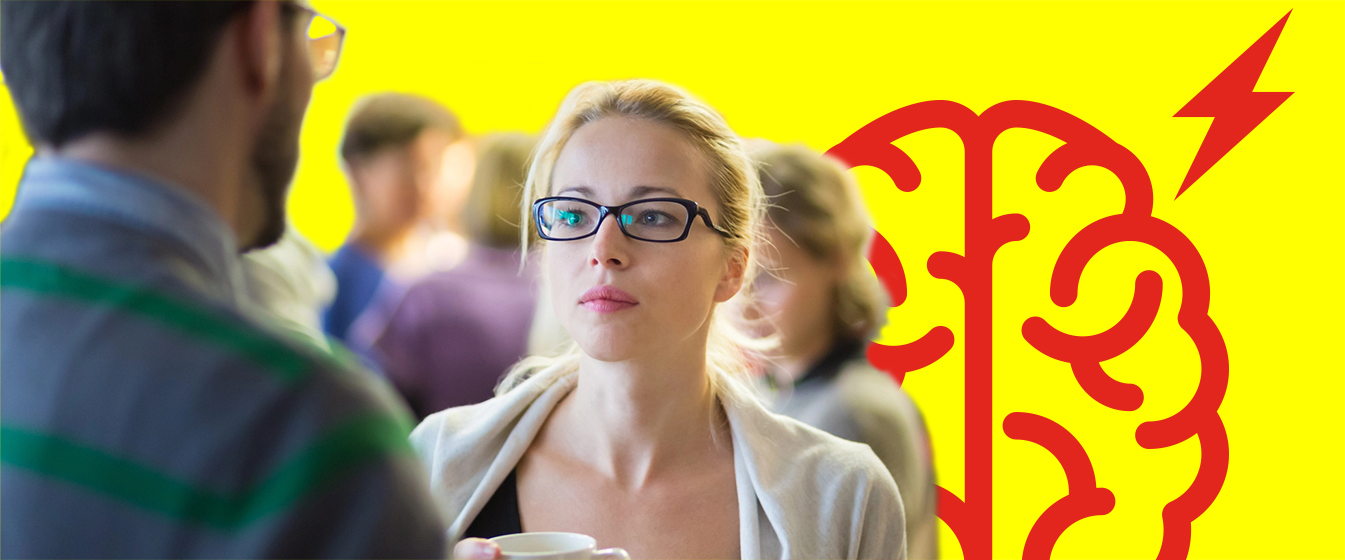
I know we’ve said this a thousand times, but the main reason people come to your events isn’t the content. It’s the networking.
Ask delegates why they show up at your conferences or exhibitions, and the most common response you’ll get is simply ‘to meet people’. The presentations are valuable, but it's the conversations over coffee, the introductions between sessions, and the chance encounters that create the real long-term value.
So, we should probably ask ourselves why we persist with traditional networking formats that are based on an assumption that simply isn't true: that everyone enjoys walking into a room full of strangers and making conversation.
For many neurodivergent professionals – including people with autism, ADHD, dyslexia, dyspraxia, social anxiety, sensory processing differences, or other neurological variations – unstructured networking is something akin to a nightmare.
Which is ironic, because many of these attendees bring exceptional expertise, creativity and insight – making them exactly the people other delegates would benefit from meeting.
But what if I told you that a few (relatively easy) format tweaks could make casual interactions less intimidating and more valuable for everyone at your meeting?
Networking was never designed for everyone
To be fair, I’m not sure most event networking is ‘designed’ at all. Think about the classic conference networking break.
A hundred people leave the auditorium simultaneously. They gather around coffee stations. Small groups begin to form. Conversations start. Some people know dozens of attendees already. Others know nobody.
For confident extroverts, it's energising. But for many others, it's intimidating. Exhausting even.
Rather than just diving in, your neurodivergent guests are more likely to be asking themselves:
- Who should I approach?
- What if I’m interrupting?
- What do I say first?
- How long should I stay in this conversation?
- How do I leave politely?
- Am I missing opportunities somewhere else?
And so on …
That's a huge amount of cognitive processing before any actual networking even begins.
Good event design removes unnecessary friction. We already do this for registration, wayfinding and accessibility. There's no reason networking should be any different.
Neuro-inclusive doesn't mean special treatment
Let’s get the biggest misconceptions out of the way first. Some event professionals still think of neuro-inclusive design as a kind of ‘add-on’ or a different channel that exists to support a small minority of guests. It’s not that.
In reality, most of the changes that support neurodivergent attendees also make networking easier for first-time attendees, international delegates, junior professionals, introverts, and arguably anyone else who’s attending alone and isn’t overwhelmingly self-confident.
Just like step-free access helps parents with pushchairs as well as wheelchair users, better networking design improves the experience for almost everyone.
The idea here isn’t to somehow try and engineer spontaneous conversations. But we can do things to make starting them easier.
Five practical ideas you can introduce today
Another misconception is that making these improvements will be either costly or time-consuming – requiring expensive new technology or major programme changes. Actually, there’s plenty of low-hanging fruit and opportunities for risk-free experimentation here.
In fact, from talking with our customers, I’ve learned that it's often the small details that make the biggest difference.
1 Introduce networking buddies
I used to think this one sounded a bit hokey, but it turns out it really works.
Many attendees arrive at your event knowing nobody.
Offering an optional networking buddy scheme allows delegates to be paired with another attendee before the event.
They can:
- meet for coffee before the first session
- attend networking breaks together
- introduce one another to relevant contacts
- reduce the anxiety of entering a room alone
A simple matching process based on role, interests or industry sector can transform someone’s confidence before they even collect their badge.
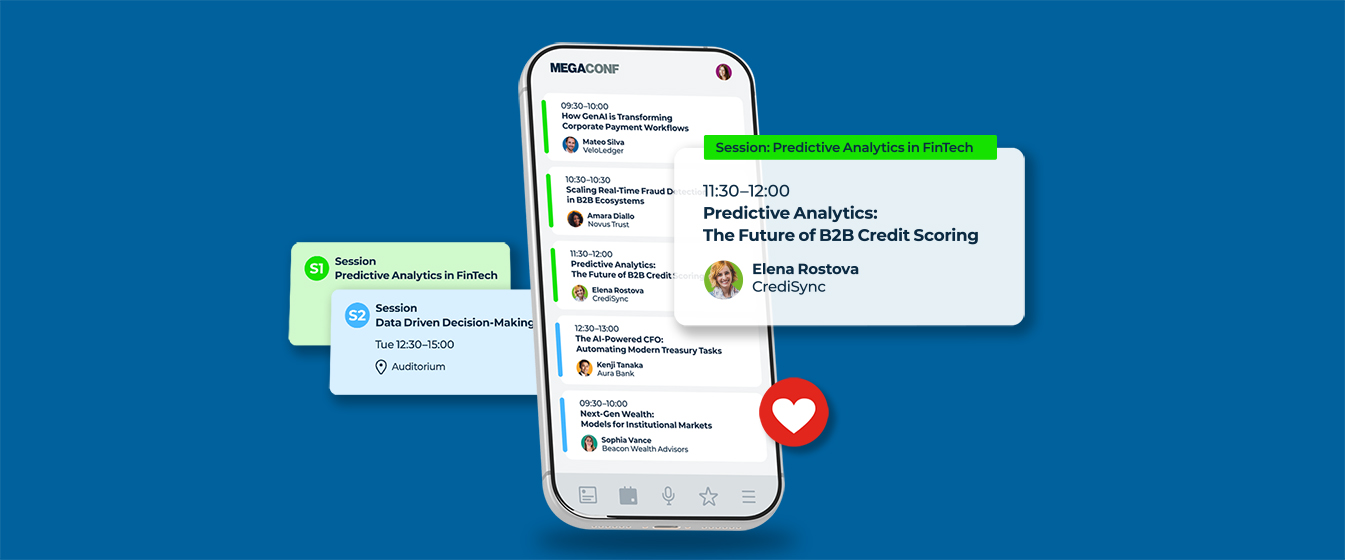
An attendee app makes this particularly straightforward, allowing buddy assignments and introductions to be shared before arrival.
Not all your registrants will take you up on this offer. Just the ones who need a little extra support to get started. And that’s absolutely fine.
2 Turn badges into conversation starters
I see hundreds of conference badges every year and most still contain little more than a name and company.
They’re a missed opportunity.
Adding simple visual prompts creates effortless icebreakers.
Examples include:
‘Ask me about AI’
‘First time attendee’
‘Happy to network’
‘Looking for partners’
‘Coffee enthusiast’
Industry interests or specialist topics
Languages spoken
Instead of having to invent an opening question, delegates instantly have something meaningful to discuss. And just like that, the ice is broken.
If attendees select these preferences during online registration, badges can be printed automatically with the appropriate icons or labels during check-in.
No additional administration required.
3 Give networking more structure
I reckon 80% of the agendas I see incorporate the phrase ‘networking session’. But if you’re the kind of person who finds this stuff difficult, you probably read it as ‘good luck!’
Adding just a little structure to these sessions can dramatically lower the barriers to participation.
Examples include:
- conversation prompt cards on tables
- themed networking zones
- discussion topics displayed on screens
- timed small-group rotations
- hosted discussion tables
Instead of asking delegates to create conversations from scratch, you’re giving them somewhere obvious to begin.
The conversations still feel natural – but they’re much easier to start.
4 Let technology help with the introductions
Networking apps often focus on exchanging virtual business cards.
They can do much more.
Before the event, attendees can complete a detailed profile describing things like:
- professional interests
- challenges they’re trying to solve
- organisations they’d like to meet
- topics they’d like to discuss
The app can then recommend relevant connections instead of leaving people to wander the venue hoping to meet the right person.
Rather than networking with everyone, delegates can spend their limited time meeting the people most likely to create mutual value.
For neurodivergent attendees especially, having a reason to approach someone removes much of the uncertainty that makes networking stressful.
5 Create quiet networking spaces
Event professionals have learned to sell the ‘hustle and bustle’ of our meetings. We imply that’s where the magic happens. I see lots of photos of crowded coffee breaks and show floors. But not every valuable conversation happens in a packed exhibition hall.
Background music, crowded rooms and constant noise can be overwhelming for some attendees.
A designated low-stimulation networking area – with relaxed seating, lower noise levels and smaller groups – allows more meaningful conversations to happen naturally.
Again, these spaces often become popular with everyone, not just neurodivergent delegates.
Sometimes quieter conversations are simply better conversations. The idea is just to give people more options.
How event technology can help
Many organisers assume neuro-inclusive networking will require fancy new software. Often though, the tools already exist.
Modern event platforms can support inclusion throughout the attendee journey.
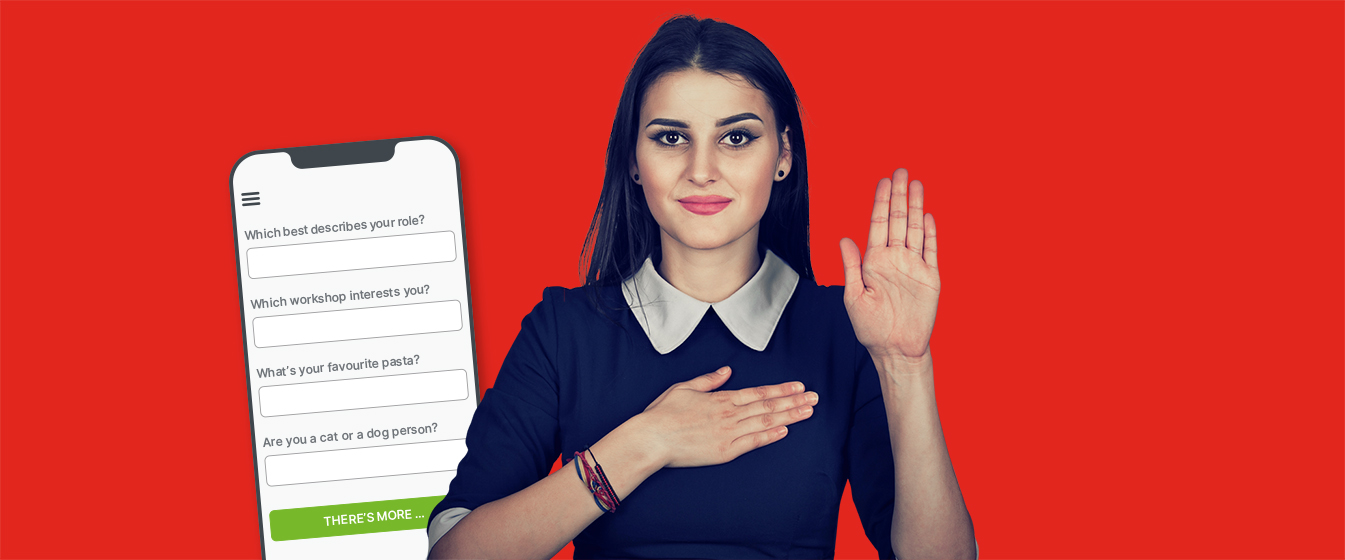
Registration forms can collect optional networking preferences, interests, accessibility requirements and communication styles without creating lengthy questionnaires.
Attendee apps can suggest relevant people to meet, provide conversation starters, enable pre-event introductions and allow delegates to arrange meetings before arriving on site.
Check-in and badge printing systems can automatically include networking icons, interests or discussion topics on badges based on registration choices, turning every badge into a personalised conversation starter.
Event websites can clearly explain what networking formats attendees should expect, helping reduce uncertainty before the event begins. Something as simple as explaining that a reception includes facilitated discussion tables, quiet networking areas and optional buddy matching, can significantly reduce pre-event anxiety.
Perhaps most importantly, these features don’t need to exist separately.
When websites, registration, attendee apps and badge printing all work from the same attendee data, organisers can create a genuinely personalised networking experience without additional manual administration.
Inclusion creates better business outcomes
We tend to think about neuro-inclusion purely as an accessibility initiative, but it’s much more than that.
When networking becomes easier more delegates participate, exhibitors meet more relevant prospects, sponsors have higher-quality conversations, attendees make stronger professional connections, and first-time delegates are more likely to return.
All of this is good news for your bottom line.
When you’re on site, it’s often tempting to measure how well the networking’s going by how noisy the room becomes.
But if you wanted to measure networking performance from a customer perspective, you’d do it by how many meaningful conversations happen.
The future of networking Is better designed
In the events industry we’ve become remarkably good at reducing friction. We’ve streamlined registration. We’ve simplified check-in. We’ve digitised agendas. We’ve replaced paper programmes with event apps.
Arguably, networking deserves the same attention.
Designing networking that works for neurodivergent attendees doesn’t mean lowering expectations or somehow trying to force or script every interaction.
It’s about removing barriers so more people can participate with confidence.
The most successful events do more than just gather people together. They help the right people meet each other – in ways that feel comfortable, inclusive and genuinely valuable.
Design your networking for the people who find it hardest, and you will inevitably make it better for everyone.